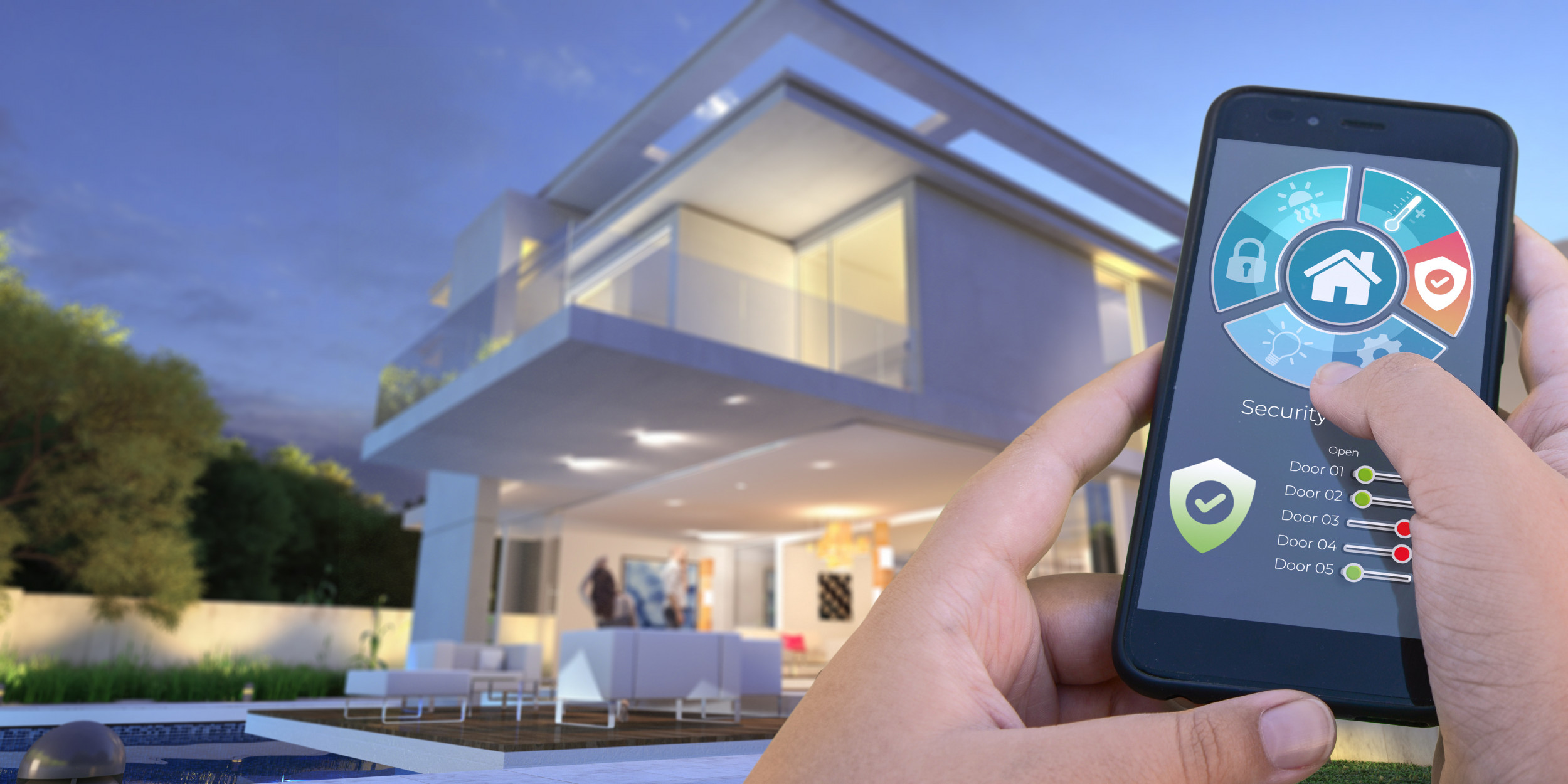
Are Your Smart Appliances Too Smart for Their Own Good?
As we embrace the convenience of smart appliances in our homes, it's essential to consider whether these devices are becoming too smart for their own good. On one hand, smart appliances like refrigerators, thermostats, and washing machines offer unprecedented levels of automation, efficiency, and connectivity. They can learn our preferences, adjust settings accordingly, and even be controlled remotely through smartphones. However, this enhanced functionality comes with potential risks, including privacy concerns and undue reliance on technology. For instance, a smart appliance could malfunction or become inaccessible due to connectivity issues, leaving you without basic functionalities.
Moreover, the more intelligent these devices become, the more we may inadvertently hand over control of our homes to technology. Consider how smart refrigerators can track food inventory and suggest recipes, but this could lead to over-reliance, where essential decision-making is delegated to an algorithm. Additionally, the collection of personal data raises valid concerns regarding security. To ensure that our smart appliances enhance our day-to-day lives without compromising our safety or independence, it's crucial to strike a balance between using smart technology and maintaining control over our environment. What are your thoughts? Are we letting convenience overshadow caution?
Counter-Strike is a popular first-person shooter game that pits teams of terrorists against counter-terrorists in a variety of game modes. Players can choose from a wide range of weapons and strategies to outsmart their opponents. If you’re looking to enhance your gaming experience at home, check out the Top 10 homepod accessories that can complement your setup.
The Hidden Risks of a Fully Connected Home
In the era of smart homes, the convenience of a fully connected home cannot be overstated. However, this technological leap brings with it several hidden risks that homeowners must be aware of. One of the primary concerns is cybersecurity. With multiple devices linked to the internet, the potential for a malicious attack increases significantly. For instance, a hacker might exploit vulnerabilities in your smart thermostat or security camera to gain access to your entire home network. This is why it is vital to implement strong passwords and regularly update device firmware.
Another risk tied to a fully connected home is the issue of privacy. Smart devices often collect data about your daily routines, preferences, and even conversations. This information can be accessed by third parties, leading to potential misuse. As technology advances, so do the tactics of cybercriminals, making it essential to understand data privacy implications. Homeowners should review the privacy settings of their devices and be cautious about the personal information they share. Remember, while modern conveniences improve our lives, being informed can help mitigate these hidden risks.
How to Outsmart Your Smart Devices: Tips for Troubleshooting and Safety
In today's increasingly connected world, smart devices play a pivotal role in our daily lives. However, like any technology, they can occasionally malfunction or present issues that require troubleshooting. To effectively outsmart your smart devices, start by familiarizing yourself with their user manuals. This will not only aid in understanding their features but also provide guidance on common issues. Here are some basic troubleshooting tips:
- Restart the device to reset its software.
- Check for firmware updates that might fix bugs.
- Ensure your Wi-Fi connection is stable and properly configured.
Safety is another critical aspect when it comes to managing smart devices. These gadgets often collect sensitive data and potentially expose you to privacy risks. To enhance your safety while using smart devices, consider these essential practices: use strong, unique passwords for each device, enable two-factor authentication, and regularly review and manage permissions for apps connected to your devices. By adhering to these safety tips, you not only protect your information but also ensure a more seamless and efficient experience with your smart devices.