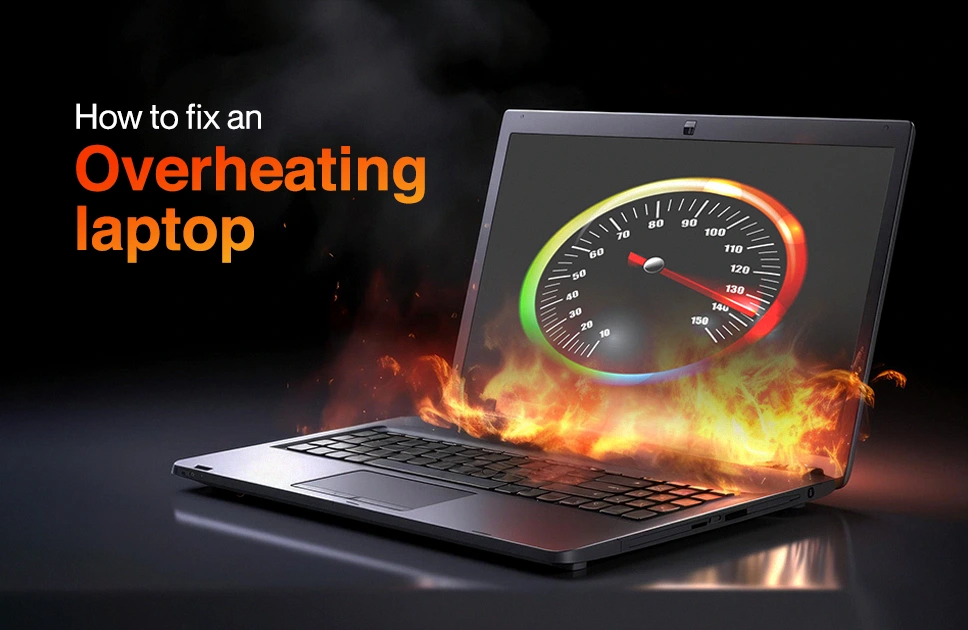
Understanding the Causes of Overheating in Your Devices
Overheating in devices is a common issue that can stem from various sources. One of the primary causes is inadequate ventilation, which prevents heat from dissipating properly. Dust accumulation inside the device can block vents and fans, reducing airflow and leading to increased temperatures. Additionally, usage patterns play a significant role; for instance, running resource-intensive applications, such as video editing software or high-end games, can cause a device to work harder and generate more heat. To mitigate overheating, it’s crucial to keep your devices clean and ensure they are used in well-ventilated areas.
Another contributing factor to device overheating is faulty hardware. Components such as the CPU and GPU may overheat if they are damaged or deteriorating, leading to system instability. In some cases, thermal paste that helps transfer heat away from critical components may dry out and require replacement. Moreover, overclocking can push your device beyond its limits, causing it to overheat quickly. Regular maintenance checks and following manufacturer guidelines for safe operating conditions can help prevent these issues, ensuring your devices remain cool and functional.
Counter-Strike is a popular first-person shooter video game that has captivated millions of players worldwide. It emphasizes teamwork, strategy, and skill as players engage in objective-based gameplay. If you're looking to enhance your gaming setup, check out the Top 10 Laptop Accessories to Prevent Overheating to ensure your laptop runs smoothly during intense matches.
Signs Your Gadget is Overheating and What to Do About It
When your gadget starts to overheat, it can display several noticeable signs. Pay attention to unusual heat radiating from the device, especially around areas like the battery or processor. If the gadget begins to slow down or experience lagging issues, it may be an indication that internal temperatures are rising to unsafe levels. Additionally, keep an eye out for random shutdowns or automatic restarts, as these can be your gadget's way of protecting itself from potential damage. Lastly, if the battery life suddenly decreases, it's worth checking to see if overheating is the culprit.
If you suspect that your gadget is overheating, there are several steps you can take to mitigate the issue. First, ensure that your device is well-ventilated by avoiding usage on soft surfaces like beds or couches, which can block airflow. Second, consider reducing the intensity of resource-heavy applications, as they place additional strain on your gadget. You might also want to clean the vents and heat sinks to ensure that dust isn't obstructing airflow. In severe cases, it might even be necessary to seek assistance from a professional to address internal hardware issues that could be causing the overheating.
How to Prevent Overheating: Tips for Keeping Your Gadgets Cool
In today's digital landscape, keeping your gadgets cool is essential to ensure optimal performance and longevity. One of the most effective ways to prevent overheating is by maintaining proper ventilation. Make sure your devices have sufficient space around them, avoiding cluttered areas that can restrict airflow. Additionally, consider using cooling pads or external fans for laptops and gaming consoles, which can provide extra cooling when needed. Regularly cleaning the vents and fans of your devices can also prevent dust buildup, which is a significant contributor to overheating.
Another useful tip for keeping your gadgets cool is to monitor their usage. Limit the number of demanding applications running simultaneously, as this can lead to increased heat generation. Implementing power-saving modes can also reduce heat production by lowering performance when full power isn't necessary. Always ensure that you are using your devices in a cool, dry place, away from direct sunlight, and consider turning them off during long periods of inactivity to give them a break.