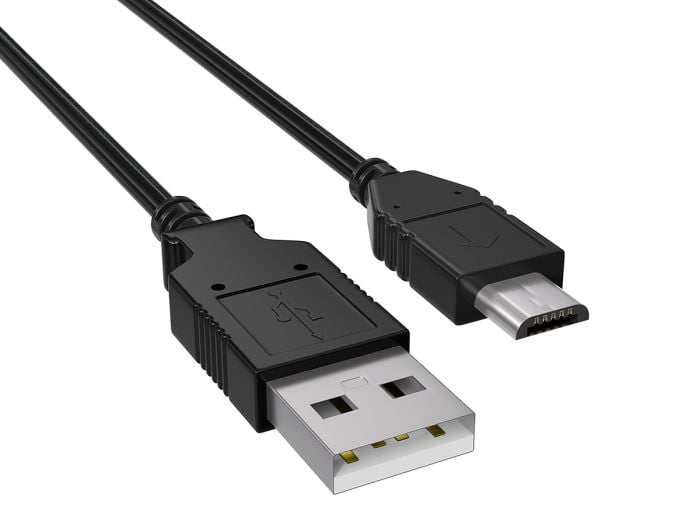
The Evolution of USB: From Floppy Disks to Flash Drives
The journey of Universal Serial Bus (USB) technology is a remarkable testament to the rapid evolution of data transfer methods since its inception in the mid-1990s. Initially designed to simplify the connections between computers and peripherals, USB began as a solution to the chaotic mess of cables and ports prevalent with earlier technologies, such as floppy disks and parallel ports. The first USB standard, USB 1.0, offered a modest speed of 1.5 Mbps, which was a significant improvement over floppy disks, allowing data to flow seamlessly. As technology progressed, USB evolved to include multiple iterations, including USB 2.0 and the current USB 3.2, with data transfer rates skyrocketing to up to 20 Gbps. This rapid advancement has paved the way for newer storage solutions like flash drives, which replaced the once-dominant floppy disks, facilitating the transfer of vast amounts of data with convenience and reliability.
As we reflect on this evolution, it becomes clear that USB has transformed not just how we connect our devices but also how we interact with data. With flash drives easily fitting in our pockets and offering significant storage capacities, they have essentially rendered floppy disks obsolete. The physical size and portability of USB drives have revolutionized data storage, with some capable of holding terabytes of information. Furthermore, the increasing adoption of USB-C ports signifies a move towards a unified connection standard that enhances user experience through faster charging and high-speed data transfer. As we look forward, it's exciting to contemplate the next phases in USB technology and how it will continue to shape our digital landscape.
Counter-Strike is a highly competitive first-person shooter that has captivated gamers around the world. Players can choose between two teams, terrorists and counter-terrorists, each with unique objectives. The game's tactical gameplay and emphasis on strategy make it a favorite in eSports. For those looking to fuel their gaming sessions, check out the Top 10 charging stations that ensure your devices are always ready to go.
How USB Technology Changed Data Storage Forever
The advent of USB technology revolutionized the way we handle data storage. Before its introduction, transferring files often involved cumbersome methods like floppy disks or even CDs, which limited both storage capacity and speed. With USB (Universal Serial Bus), users gained the ability to easily connect and transfer data between devices at an unprecedented pace. The early USB 1.1 specification allowed for data transfer speeds up to 12 Mbps, while newer versions like USB 3.0 deliver rates exceeding 5 Gbps. This rapid evolution in speed transformed how we store and manage our digital lives.
Furthermore, USB drives, commonly known as flash drives, introduced portable and reliable solutions for data storage. Unlike traditional hard drives that required power to operate, USB drives are compact, durable, and require no additional power source to function. They quickly became indispensable tools for both personal and professional use, allowing users to store and carry large amounts of data effortlessly. Today, it is hard to imagine a world where USB technology doesn't play a central role in data transfer, showcasing its lasting impact on how we approach data storage and accessibility.
What Makes USBs So Essential in Today's Digital Age?
In today's digital age, USBs have become an indispensable tool for both personal and professional use. Their versatility allows users to easily transfer data between devices, making them essential for students, professionals, and creatives alike. For instance, USB drives offer a reliable way to store important files, from school presentations to business reports, without the need for a constant internet connection. Beyond simple file transfer, they can also be used for software installations, system backups, and even bootable drives for troubleshooting purposes.
Moreover, the compact size and durability of USBs enable users to carry significant amounts of data in their pockets. Many models now come equipped with features like encryption for increased security, appealing to those who prioritize data protection. As technology continues to evolve, USBs have adapted as well, with newer versions such as USB-C providing faster transfer speeds and greater power delivery. This evolution ensures that USB drives remain relevant in a world increasingly reliant on digital solutions, proving their worth in both everyday tasks and critical operations.