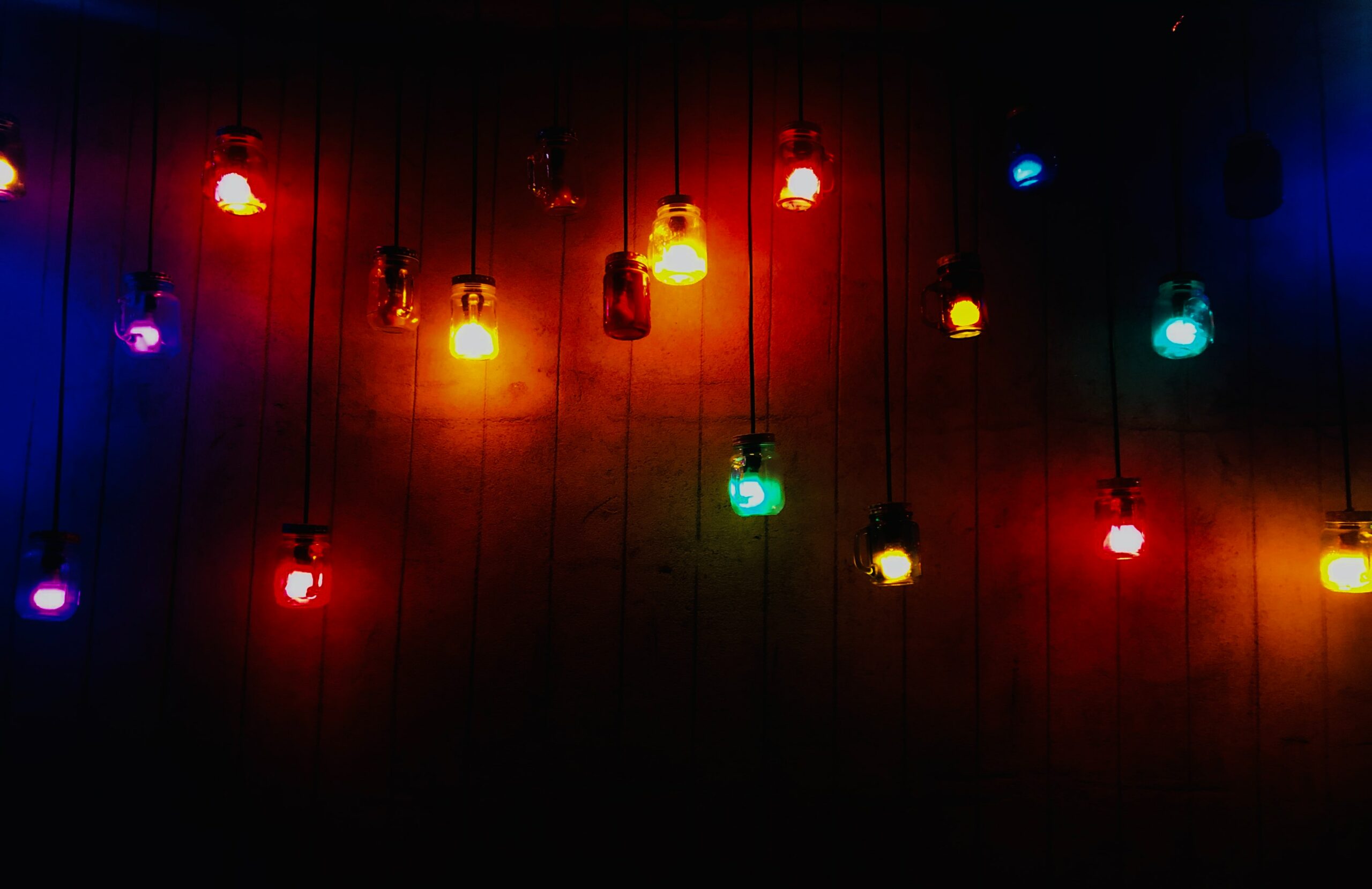
How Smart Lighting Is Revolutionizing Home Automation
Smart lighting is at the forefront of the home automation revolution, offering homeowners an unprecedented level of control over their living environments. With the ability to adjust brightness, color, and even automate lighting schedules, smart lighting systems enhance both convenience and energy efficiency. For instance, users can set their lights to dim during movie nights or brighten when it's time to wake up, creating an ideal atmosphere for any occasion. This level of customization not only caters to individual preferences but also contributes to significant energy savings.
Moreover, the integration of smart lighting with other home automation systems is paving the way for smart homes that are as responsive as they are intelligent. Utilizing voice commands through virtual assistants like Amazon Alexa or Google Assistant, homeowners can manage their lighting hands-free. In addition, smart lighting can be programmed to simulate presence, enhancing security by turning lights on and off when the homeowner is away. As technology continues to evolve, the potential for smart lighting to further transform home automation seems limitless.
Counter-Strike is a popular tactical first-person shooter that has captivated gamers since its release. The game's competitive nature and strategic gameplay have made it a staple in the esports community. Players team up to complete objectives, such as planting or defusing bombs, while showcasing their skills and coordination. In addition to gaming, many creators often travel for gaming events, and for that, having the right equipment is essential. Check out these Top 10 Travel Gear for Creators to see what you might need on your next adventure. Overall, Counter-Strike remains a compelling experience for players and viewers alike, continuously evolving with new updates and community-driven content.
5 Ways Smart Lighting Can Enhance Your Daily Life
Smart lighting is revolutionizing the way we experience our living spaces, making our daily routines not only more convenient but also more enjoyable. One of the key benefits is the ability to automate lighting schedules. With a smart lighting system, you can program your lights to turn on and off at specific times, ensuring you never walk into a dark room again. This feature is particularly useful for maintaining a consistent sleep cycle, as you can gradually dim the lights in the evening, signaling to your body that it’s time to wind down.
Additionally, smart lighting can contribute to enhanced energy efficiency. By utilizing LED technology and smart sensors, these lighting systems consume significantly less electricity than traditional bulbs, reducing both your energy bills and your carbon footprint. Furthermore, many smart lighting solutions allow you to control multiple lights from your smartphone or smart assistant, enabling you to easily turn off lights that are not in use or adjust their brightness based on the time of day or your mood. In this way, smart lighting not only simplifies your life but also supports your environmental goals.
What to Consider When Choosing Smart Lighting Solutions for Your Home
When selecting smart lighting solutions for your home, it's imperative to consider compatibility with existing home automation systems. First, assess whether the lighting system can seamlessly integrate with assistants like Amazon Alexa, Google Assistant, or Apple HomeKit. This integration not only enhances user experience but also allows for greater control over your lighting environment through voice commands. Additionally, consider the range of product options available—some systems offer bulbs only, while others provide comprehensive kits that include switches and sensors.
Another key factor is the energy efficiency of the smart lighting solutions you choose. Look for products with high Energy Star ratings, as these can drastically reduce your energy consumption and lower your utility bills. Furthermore, it's wise to investigate features such as dimming options, color temperature adjustment, and programmable schedules. These functionalities not only contribute to personalized ambiance but also promote energy savings by allowing lights to operate only when needed.